Box culvert installation is a sequence, and the order matters: a firm trench, compacted bedding, sections laid from the downstream end, tight joints, then careful backfill. Skip a step and it shows up later. Victoria’s road authority writes this sequence down in its stormwater drain specification, and it’s a good yardstick for any Melbourne job.
This guide covers what the specification asks for during box culvert installation, the trench safety rules once you dig deep, and what changes the price. Your project drawings always come first, so treat the figures below as a checklist of what to look for.
Related reading
- Our service: Civil Drainage Melbourne
- Choosing the material: Concrete Culverts vs Steel, When VicRoads Specs Demand Each
- Pits that feed the culvert: Stormwater Pit Installation Melbourne, Civil Contractor’s Full Guide
The Short Answer: Box Culvert Installation by the Numbers
These figures come from VicRoads’ Section 701 specification (May 2020) and WorkSafe Victoria. They’re a starting point. The specification for your project has the final say.
100 to 200 mm
Minimum compacted bedding
100 mm under 1500 mm wide, 200 mm at 1500 mm or wider
150 mm
Maximum loose layer
For bedding and backfill, compacted layer by layer
0.3 m
Selected backfill over the top
Where the trench won’t be paved over
1.5 m
Trench depth that triggers extra rules
A safe work method statement and a WorkSafe notice
“They completed the work on time, kept the site clean, and were always happy to answer questions and offer helpful suggestions.”
★★★★★ NO Shops, customer review of Cinerari Contracting
Planning Box Culvert Installation Before the Dig
Good box culvert installation starts at the desk. You need the drawings, the line and levels, and a clear picture of what’s already in the ground.
Underground services come first. WorkSafe’s excavation code says services must be identified before excavation starts. It points to the free Before You Dig Australia service for plans of known pipes and cables. Those plans can be incomplete, so the code also asks for hand digging or potholing before any machine goes in.
Water comes next. If the culvert sits in an existing waterway or drain, VicRoads’ specification says you need a temporary diversion of flow. It also needs prior written approval from the relevant waterway authority before anything blocks the channel. The excavation also has to be de-watered, and seepage and stormwater have to leave the site safely. EPA Victoria also lists erosion and sediment, and stormwater contamination, among the common construction hazards to assess.
Line and level get checked twice. The specification asks for the culvert to be built true to line and level. It also wants a survey certificate for each run of drainage before backfilling starts.
Check before the first section goes in
- Bedding matches the lines and levels on the drawings
- Bedding is compacted to the specification
- Water is diverted and the trench is dry
Hold off if
- The trench floor is soft, wet or unstable
- The waterway authority hasn’t approved the diversion
- The bedding hasn’t been checked for level and compaction
- The trench is deeper than 1.5 m and there’s no safe work method statement
Planning box culvert installation in Melbourne? Send us the drawings and we’ll review the scope.
Related service
Culverts and Drainage Structures
Precast and in-situ concrete culverts, headwalls, wing walls and apron slabs, built to engineering drawings and authority standards across Victoria.
Excavation for Box Culvert Installation and Trench Safety
The trench has to be wide enough to work in and compact around the culvert. VicRoads’ specification sets the clearance from the outside of a box culvert to the trench wall at 0.5 to 1.0 times the culvert’s overall height. The floor of the trench is compacted to refusal with machinery. Soft, wet or unstable ground below the bedding level gets treated or replaced.
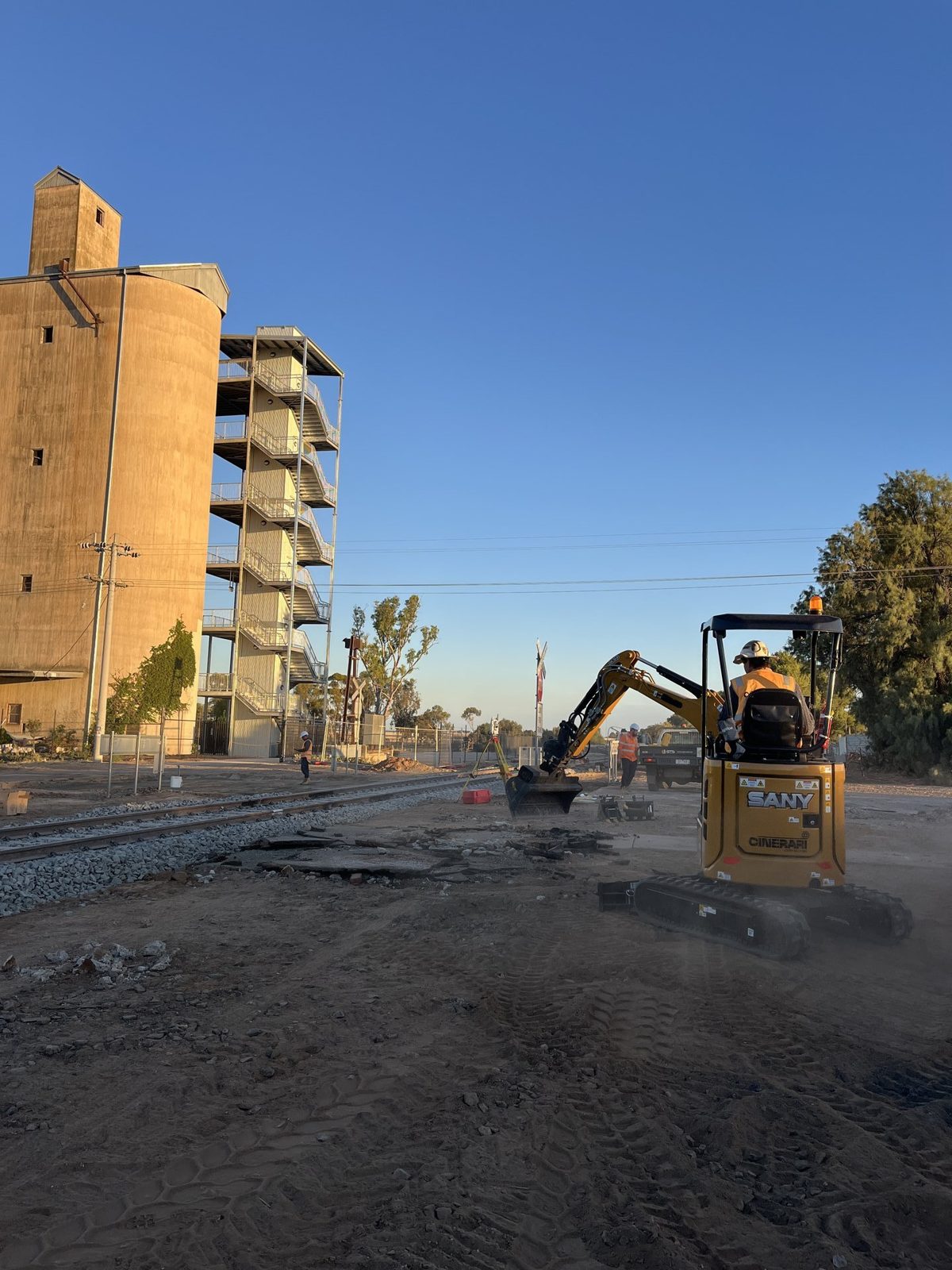
Depth changes the rules for box culvert installation. WorkSafe Victoria treats a trench deeper than 1.5 metres as high risk construction work. That means a safe work method statement has to be prepared and followed. WorkSafe also needs notice at least three days before construction excavation work starts on a trench deeper than 1.5 metres.
The code lists the ways to protect people in a deep trench. You can shore up the walls, batter them back to a safe angle, bench them into steps, or work inside trench shields. Trench shields protect workers from engulfment but don’t hold the ground up, so workers have to stay inside them. WorkSafe’s code also lists work involving precast concrete as high risk construction work, which matters on a precast culvert job.
Spoil, plant and materials stay back from the trench edge. Our site establishment work covers access and set-up.
Bedding, Laying and Joints
Bedding carries the culvert, so it gets the most attention in box culvert installation. VicRoads’ specification sets the compacted bedding thickness at 100 mm for culverts under 1500 mm wide, and 200 mm for culverts 1500 mm or wider. Bedding runs the full width of the trench. If there’s no trench, it runs 0.8 m wider than the culvert. Once the sections sit in position, a second bedding layer goes in up to 30 percent of the culvert height, between the culvert and the outer edge of the lower layers.
Every layer of bedding and backfill is compacted in layers no thicker than 150 mm loose. Bedding is compacted to refusal with hand-held mechanical equipment. The specification also sets testing. That’s three tests per lot of material, and at least 20 percent of all lots on each culvert.
Laying starts only after the bedding is checked for line, level and compaction. Crews lay from the downstream end. Sections are butted firmly together. Where a culvert has separate top and bottom sections, each top section sits over its matching bottom section, with no lapping over the neighbours. The contact areas between top and bottom sections are mortared.
Cutting a section needs a machine, to leave a clean vertical face. Any exposed reinforcement gets an approved epoxy coating to stop corrosion.
“The team was punctual, professional, and very knowledgeable, making the whole process smooth and stress-free.”
★★★★★ nomar group, customer review of Cinerari Contracting
Backfill, Compaction and Construction Traffic
Backfill protects the culvert, so it goes in evenly during box culvert installation. Where the trench won’t be paved, VicRoads’ specification calls for selected backfill up to 0.3 m above the top of the culvert, with ordinary backfill above that. Under a future pavement, selected backfill runs up to design subgrade level.
Fill goes up evenly on both sides. The difference between the two sides can’t be more than a quarter of the culvert height or 0.5 m, whichever is less. No fill goes within 2 m of an exposed culvert end where another section is still to come.
Backfill with a nominal size of 40 mm or less after compaction is compacted to a mean density ratio of at least 97 percent.
Don’t drive over it too early. Construction traffic can’t cross a culvert until the required cover is in place, and the amount depends on the axle loading. A temporary embankment running at least 15 m either side of the culvert can provide that cover.
Headwalls, Wing Walls and Aprons
Box culvert installation isn’t finished until the ends are right. Headwalls and wing walls hold the ground at the inlet and outlet. Apron slabs sit where the water enters and leaves. VicRoads’ specification asks for inlet and outlet structures to be built to the drawings, with footings taken to the depth shown or deeper if that’s what it takes to reach a sound foundation.
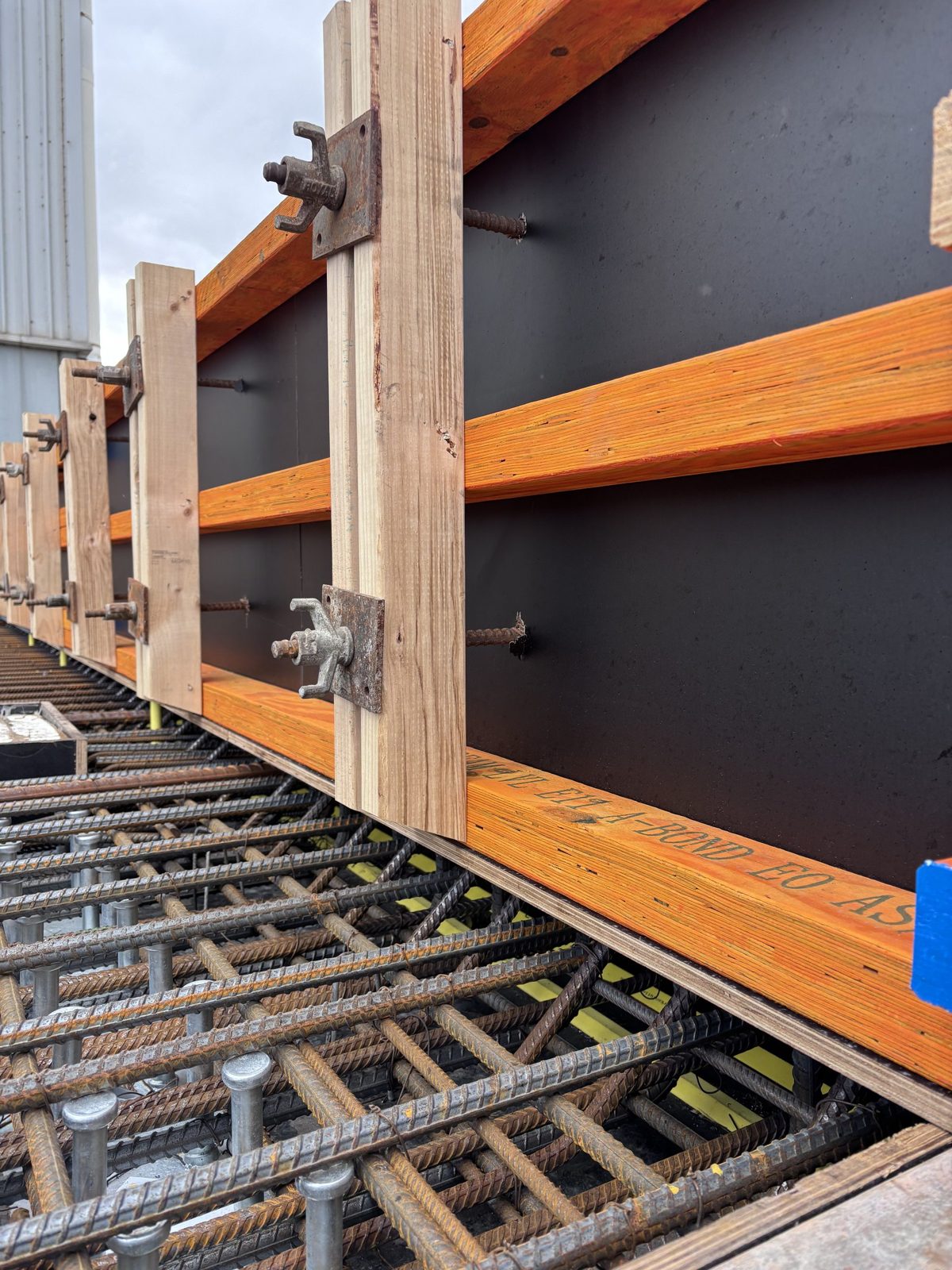
We build headwalls, wing walls and apron slabs in-situ to tie the drainage structure into the surrounding works. That’s the same formwork and reinforcement trade as our formwork and reinforced concrete work. Many culvert runs also link to concrete pits and chambers. If you’re working in the outer west, see our guide to drainage structures in Wyndham.
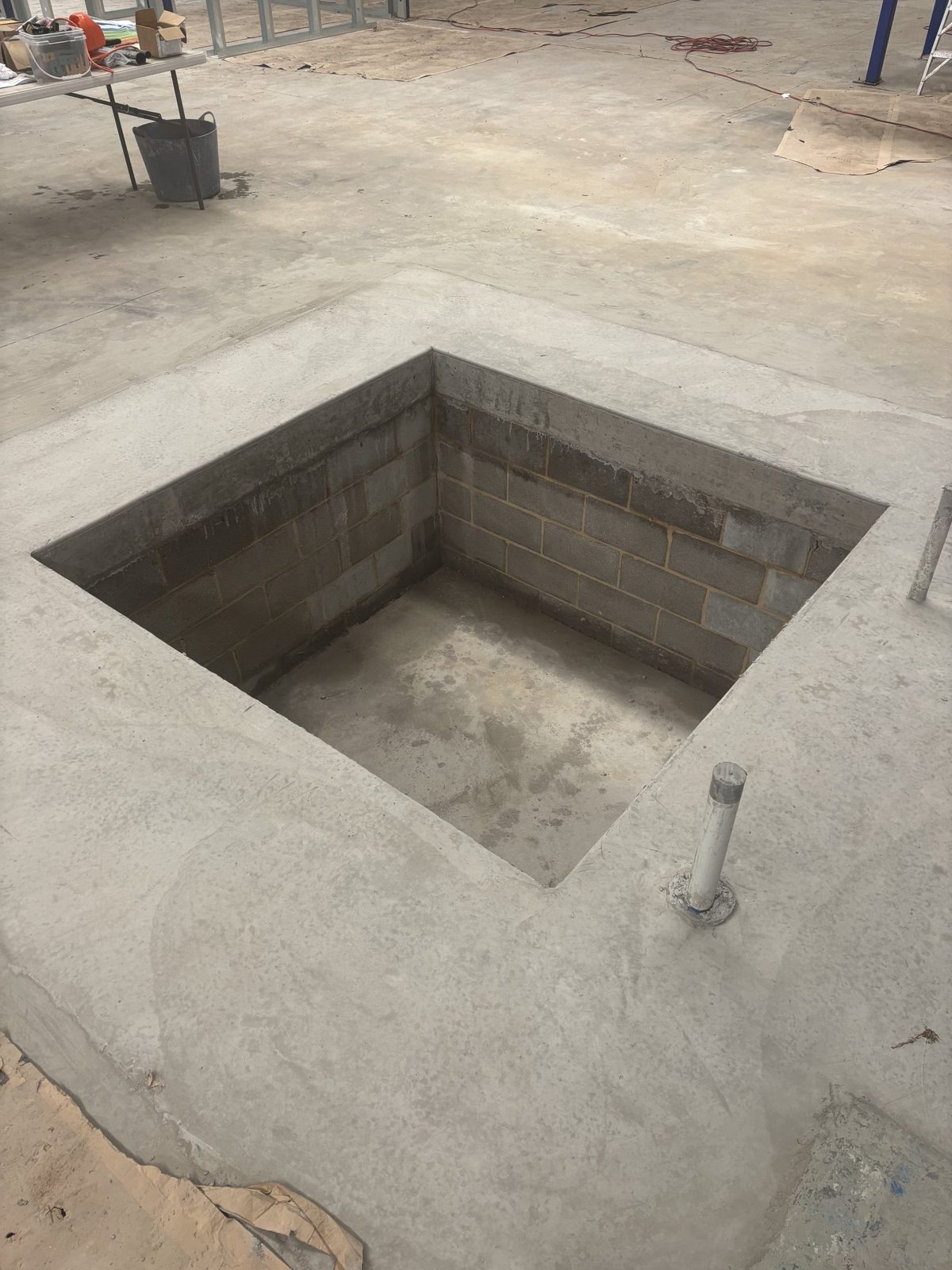
What Affects the Cost of Box Culvert Installation
We don’t quote a price per metre, because no two culvert jobs match. These are the things that move the price of box culvert installation:
- The size and length of the culvert run
- Trench depth, and the ground and groundwater you hit
- Crane access and lifting for precast sections
- Shoring or shields for deep trenches
- Headwalls, wing walls and aprons at each end
- Authority requirements and testing
- How the culvert ties into roads or pavements
We assess scope, sequencing and access before we price. Send the drawings and site conditions and we’ll tell you what it needs.
How We Work With You
1
Talk to us about your scope
Send the drawings, drainage layouts and site conditions for review.
2
Confirm the plan and pricing
We assess scope, sequencing and access requirements before pricing.
3
Quality, accurate delivery
Works proceed through structured inspections to ensure compliance.
4
Clean handover
The drainage structure is completed and joined to the surrounding works.
Get a Quote for Your Melbourne Culvert Project
Cinerari Contracting builds precast and in-situ concrete culverts and drainage structures across Melbourne and Victoria. Tell us about your box culvert installation and we’ll tell you what it needs.
How Deep Should the Bedding Be for Box Culvert Installation?
VicRoads’ Section 701 specification asks for at least 100 mm of compacted bedding under culverts less than 1500 mm wide. It asks for at least 200 mm at 1500 mm wide or more. Your engineer’s drawings set the final figure.
Do I Need to Tell WorkSafe Before Box Culvert Installation?
If the trench is deeper than 1.5 metres, yes. WorkSafe needs notice at least three days before construction excavation work starts. The exception is excavation done as part of building work under a building permit.
Which End Do You Start Laying Box Culverts From?
The downstream end. The specification also says laying can’t start until the bedding has been checked for line, level and compaction.
Can Trucks Drive Over a New Culvert Straight Away?
No. Construction traffic stays off until the required cover is over the culvert, and the amount depends on the axle loading. A temporary embankment can provide that cover.
Do I Need Approval to Divert Water During Box Culvert Installation?
For works in a waterway, yes. VicRoads’ specification asks for prior written approval from the relevant waterway authority before any flow is blocked or diverted. Ask the authority early.
How Much Does Box Culvert Installation Cost in Melbourne?
It depends on the culvert size and length, trench depth, ground conditions, crane access and the headwalls at each end. Send us the drawings and we’ll give you clear pricing after we assess the scope.
More Concrete and Civil Guides
About the author
Cinerari Contracting is a Melbourne civil and reinforced concrete subcontractor. We build culverts, drainage structures, pits, slabs, footings, formwork and retaining walls for builders, developers and homeowners across Melbourne and regional Victoria.
Phone: 0400 692 550 · Email: hello@cineraricontracting.com
Sources
- VicRoads, Section 701 Underground Stormwater Drains (May 2020)
- WorkSafe Victoria, Excavation Compliance Code (Edition 2, December 2019)
- WorkSafe Victoria, Construction Excavation Notification
- WorkSafe Victoria, Safety Alert: Workers Engulfed in Trench Collapse
- Before You Dig Australia
- EPA Victoria, Construction Industry
Information in the concreting industry changes frequently. Linked content may change or become outdated. Please always contact us for help with your important building decisions.