

Footing excavation looks simple from the road and is easy to get wrong in the hole. The trench has to be the right depth, width and line, the bottom has to be firm and clean, and the sides have to stay put until the concrete is in. At Cinerari Contracting we carry out footing excavation to the specified depths and dimensions, remove unsuitable material, prepare the base and hold a bearing check before any reinforcement is placed.
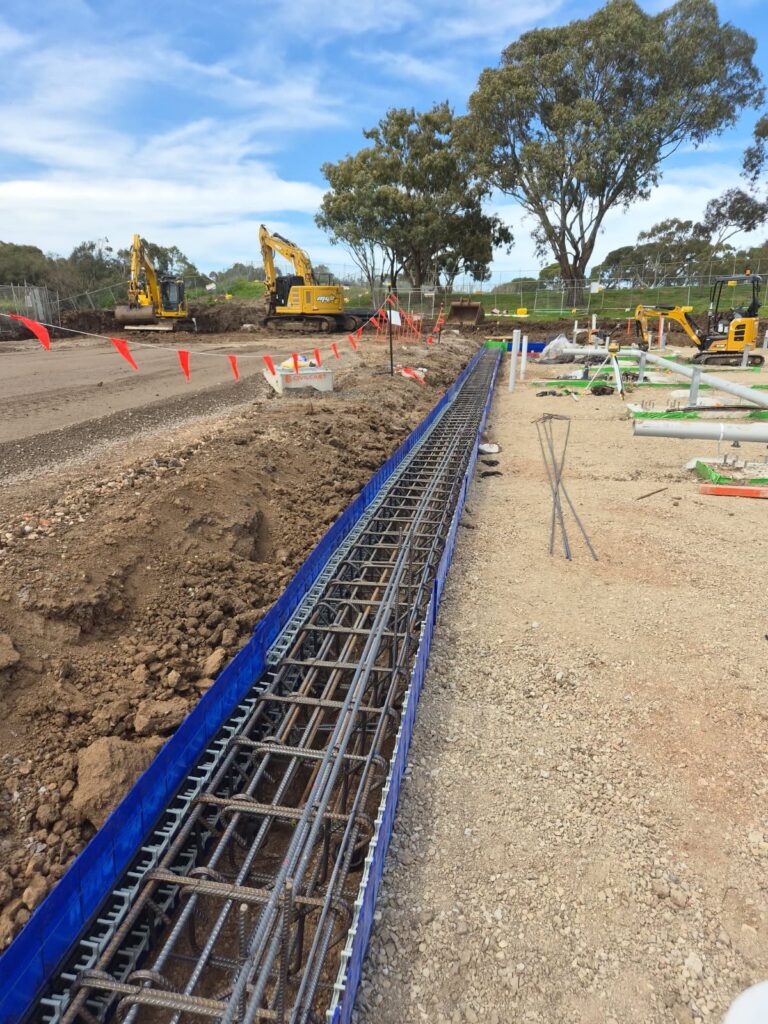
The hole is where footing problems start. This is how we run it.
Depth, width and line are set out and checked against the drawings, not judged by eye.
Unsuitable material is removed and the base is prepared and, where specified, blinded.
The ground is confirmed as the design expects before any steel goes in.
Excavations are kept safe and tidy, ready for inspection and reinforcement.
Excavation is the first stage of every footing package. We carry it out as part of our footings and foundations service, or as the first part of a larger foundation job.
If the ground shows something the drawings did not expect, we stop and tell you before going further.
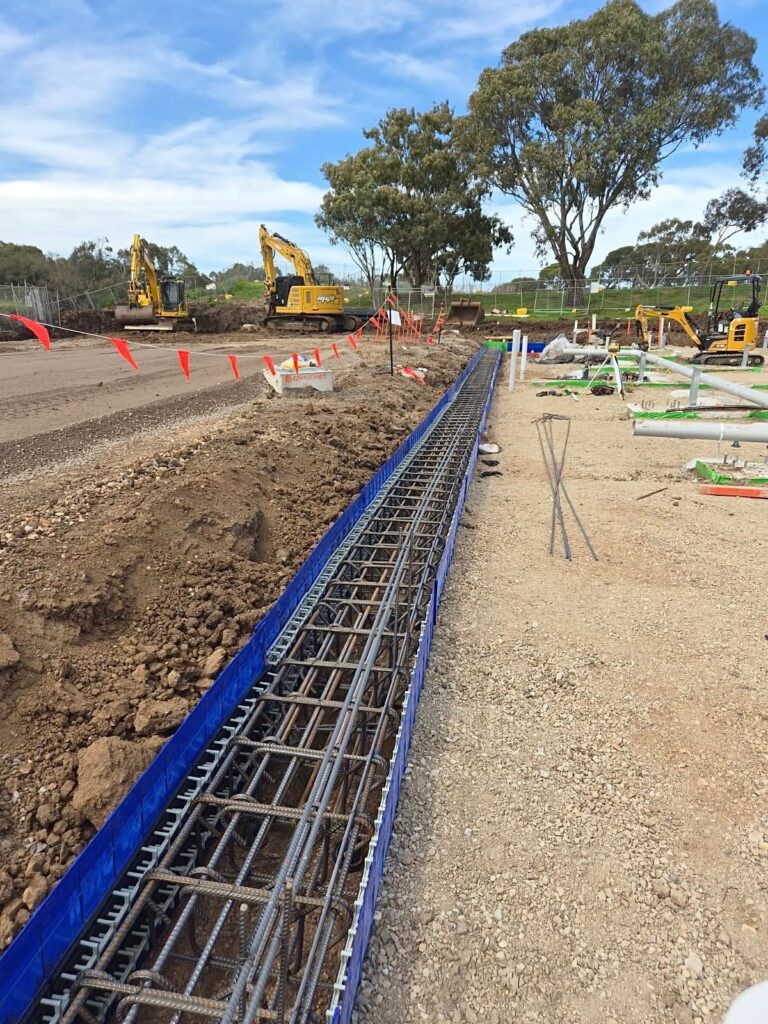
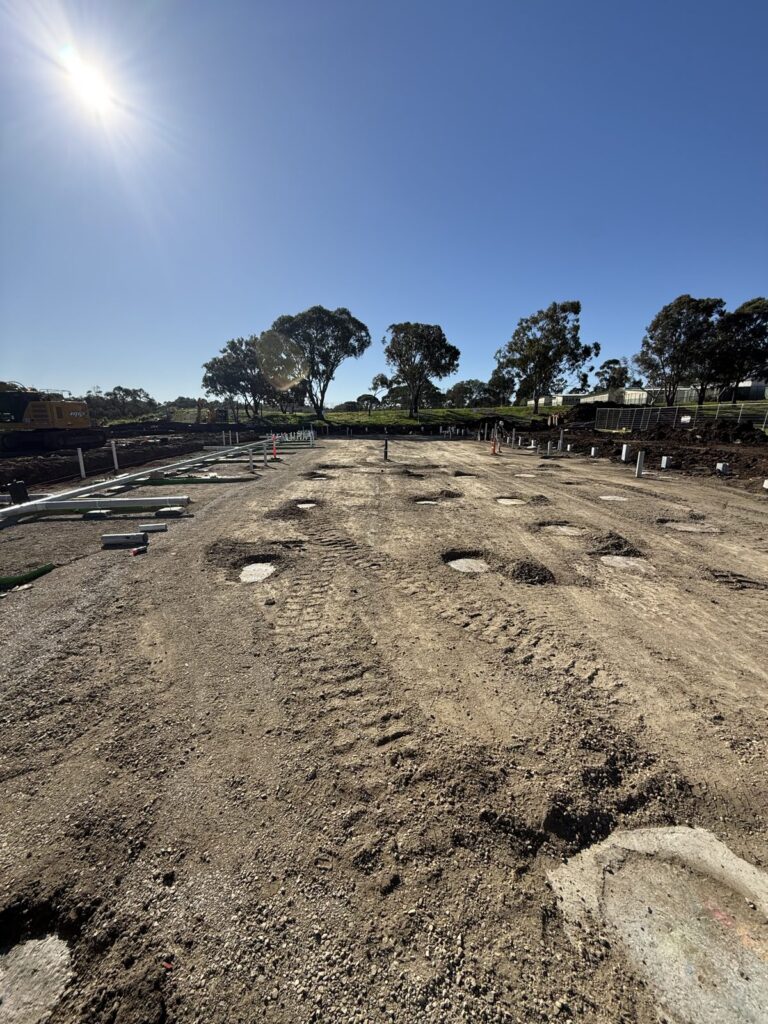
A trench dug badly costs more to fix than to dig again. These questions show how a contractor controls it.
Ask what is measured and how often, and who records it.
The base should be firm and clean before steel goes in.
We stop, record what we find and wait for the engineer to say how the footing should change.
Ask how services are located before digging starts and what is done if one is found.
Agree who removes material and where it goes, so the site does not clog.
Ask how the excavation is protected while it is open.
We stop the job at four points, and two of them are in the excavation itself.
Depth, width, line and level checked against the drawings.
Ground confirmed as the design expects, with unsuitable material removed.
Steel checked for size, spacing and cover against the schedule.
Forms, levels and access checked. Placement is supervised.
The geotechnical report tells you what the ground is likely to be at certain points. The excavation tells you what it is everywhere else. We watch for changes in colour, texture and firmness as the dig goes down, and we compare what we see with the report.
Many Melbourne sites sit on clay that moves with moisture, and some carry fill left from earlier uses. Neither is a problem if it is found early and handled as the engineer directs.
When the ground differs, we stop. We record what we found, with photos, and tell you and the engineer straight away. The response might be a deeper dig, a change of founding level or removal of poor material, and it is the engineer’s decision.
That record protects everyone. It shows what was found, what was decided and when, so the file is clear at handover.
An open trench and a wet day do not mix. Water softens the base, disturbs the sides and delays the steel. We plan the programme so excavations are not left open longer than they need to be, and we raise weather and water with you early.
If water collects in an excavation, it is dealt with before steel goes in. A footing cast on a softened base is not a footing the engineer designed.
Groundwater is a different matter. If it appears during the dig, we stop and tell you and the engineer, because it can affect the design as well as the programme.
Our aim is a base that is firm, clean and dry enough to be inspected when the engineer or certifier arrives.
We are a subcontractor. Our clients carry the project and need a base they can trust.
Commercial buildings, townhouses and multi-unit work.
Foundations that tie into pits, chambers and service structures.
Footings for sheds, warehouses and plant.
On-ground residential and shed designs.
Most problems in the hole are easy to prevent if they are caught early.
Depth is checked against the drawings, not judged by eye.
The base is prepared and the bearing is checked before steel goes in.
We stop, record what we found and tell you and the engineer.
Water is dealt with before steel goes in.
We plan the programme so the dig, steel and pour follow each other closely.
An open excavation needs controls and records.
We review drawings, levels and ground information before we start.
Site records and photos show depths, ground and checks.
Safe systems of work, proper temporary works and organised areas around excavations.
You hear when the dig is complete and when the ground shows something unexpected.
We work from Melbourne across the metropolitan area and into regional Victoria, including these areas.
We also work the growth corridors in Wyndham, Craigieburn, Whittlesea and Casey. If your site is not listed, ask. See every area we cover.
Drawings, geotechnical report and site access details.
We check the drawings and ground information and quote with any questions.
Positions set out and the excavation dug to design.
Base prepared and the bearing checked and recorded.
The excavation is ready for steel, with a record of what was found.
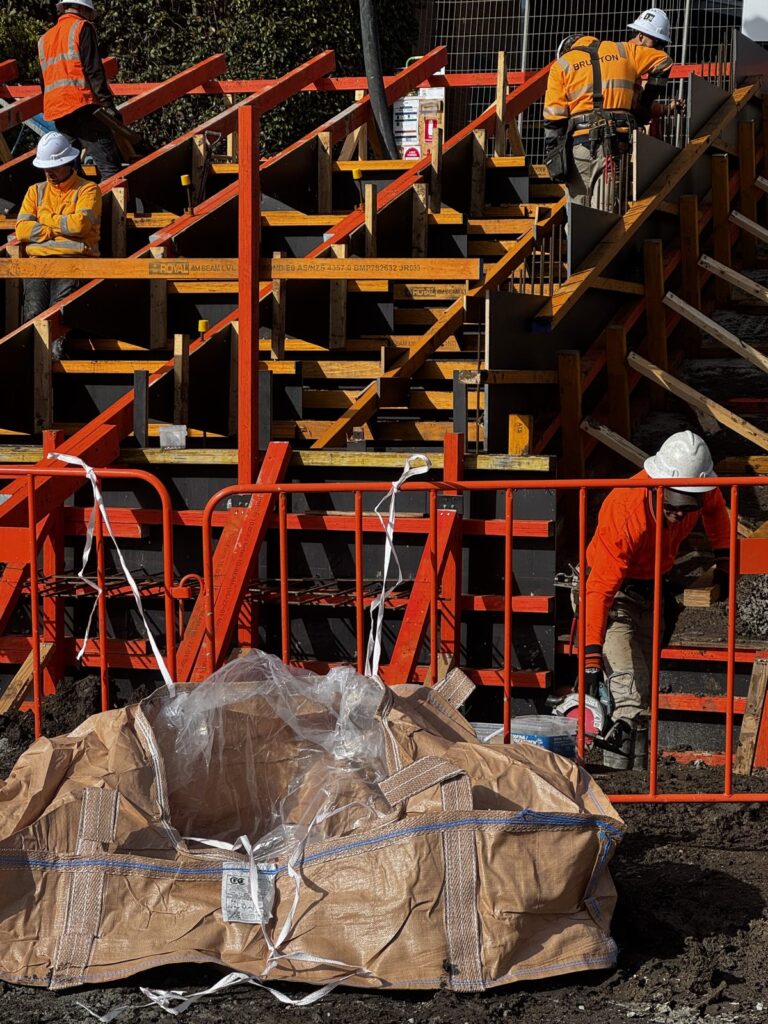
We price excavation from the drawings and the ground information. A few factors drive the number on almost every job.
A published figure would not fit most sites, so we do not give one. Send the drawings and we will price the job in front of us.
Send us the drawings and the geotechnical report, or call and tell us about the site. We will come back with a quote and any questions.
Email hello@cineraricontracting.com · Melbourne and regional Victoria
Information about standards and construction practice changes over time. Every site is different and every job is quoted from its own drawings. Please contact us for advice on your project.
Fill in your details, we’ll be in touch to answer your questions. No hard sell. Just help.